


3 minutes read time.
In a dramatic and unprecedented diplomatic escalation, the Australian government on Tuesday expelled the Iranian ambassador and three other officials, giving them seven days to leave the country. The move, the first such expulsion by Australia since World War II, came after the nation’s intelligence agency concluded that the Islamic Revolutionary Guard Corps (IRGC) of Iran had directly orchestrated at least two antisemitic arson attacks on Australian soil. The stunning accusation of state-sponsored terrorism and the forceful response have shattered the diplomatic relationship between the two nations and exposed a sophisticated campaign by Tehran to sow discord in a key Western country using a “complex web of proxies.”
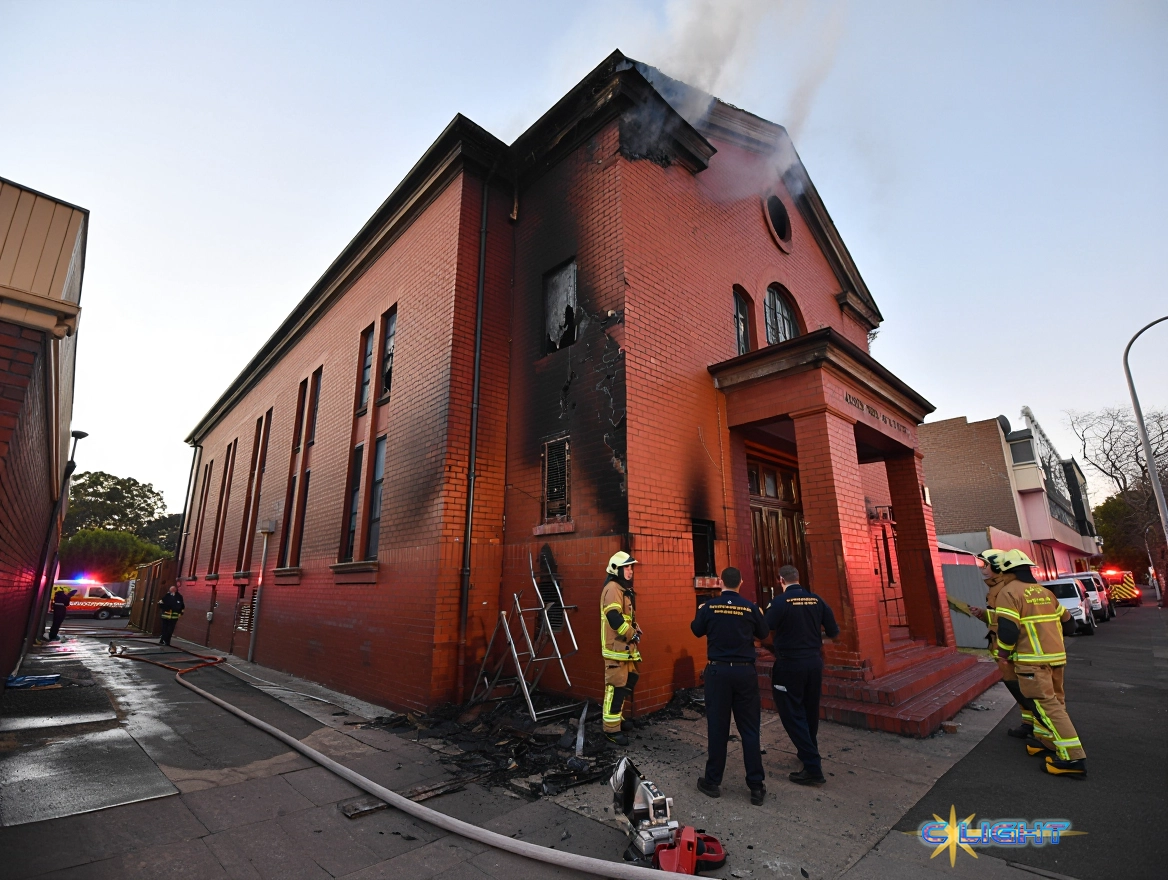
The crisis centers on two specific acts of terror. In October of last year, the Lewis Continental Kitchen, a kosher food company in Sydney, was targeted in a firebombing. Two months later, in December, the Adass Israel Synagogue in Melbourne was set ablaze, forcing worshippers to flee. The symbolic weight of the second attack is particularly devastating; the synagogue was built in the 1960s by Holocaust survivors, making the arson not just an act of antisemitism, but a direct assault on a sacred symbol of survival and resilience against genocide. “These were extraordinary and dangerous acts of aggression orchestrated by a foreign nation on Australian soil,” Prime Minister Anthony Albanese declared at a press conference. “They were attempts to undermine social cohesion and sow discord in our community. It is totally unacceptable.”
The investigation by the Australian Security Intelligence Organisation (ASIO) revealed a sophisticated and cowardly method of operation. According to ASIO chief Mike Burgess, the IRGC did not use its own operatives, but instead employed “cut-outs, including people who are criminals and members of organised crime gangs to do their bidding.” This “criminals-for-hire” tactic was confirmed by the arrests of local suspects, including a former chapter president of the Nomads biker gang in Sydney. The use of proxies was a deliberate attempt by Iran to “disguise its involvement,” Burgess said, but the months-long, “painstaking” investigation had uncovered the direct links between the local criminals and their commanders in the IRGC.
Australia’s response has been swift and multi-pronged. In addition to expelling the ambassador, the government has withdrawn its own diplomats from Tehran, suspended operations at its embassy, and issued its highest-level “Do not travel” warning for Iran, citing the “high risk of arbitrary detention.” Crucially, Prime Minister Albanese announced that his government will now move to legislate the IRGC as a terrorist organization, a step it had previously resisted.

The move has been met with predictable denial from Tehran, with a foreign ministry spokesman rejecting the allegations and attempting to reframe the expulsion as a political move related to Australia’s recent decision to recognize a Palestinian state. The response within Australia, however, has been one of unified outrage. The Executive Council of Australian Jewry welcomed the government’s actions, stating that the attacks had “terrified our community.” Significantly, the Australian Iranian Community Organisation also praised the move. “We are really happy to see them go,” its president, Siamak Ghahreman, told the Australian Broadcasting Corporation, highlighting that the community’s opposition is to the regime, not the country.
The expulsion of the Iranian ambassador is a significant moment in the global response to Tehran’s use of proxy violence. It marks a clear instance of a Western nation drawing a hard line, refusing to tolerate acts of terror on its own soil, and directly holding the Iranian state accountable.
Discover more from Clight Morning Analysis
Subscribe to get the latest posts sent to your email.


